Build your first AI-assisted workflow
Choose one repeatable task, add a human checkpoint and measure whether the workflow helps.
Choose a small task you understand
Start with a recurring, low-risk activity: drafting meeting notes from approved notes, categorising internal feedback or preparing a first email draft. Pick work where you can recognise a good result and spot an error.
Map the handoffs
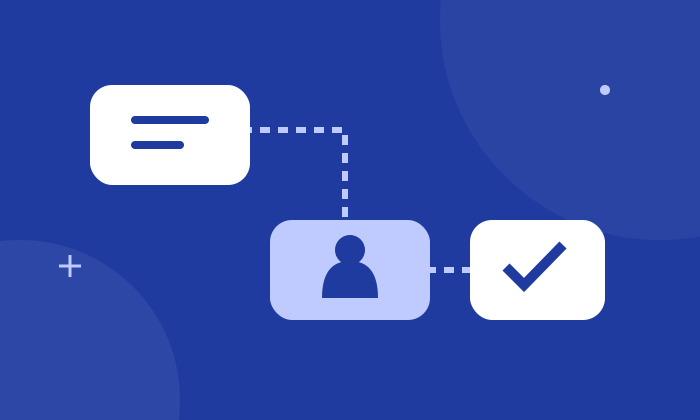
Write down the input, the AI task, the review and the final destination. For example: approved meeting notes → draft action list → organiser checks names and deadlines → approved list is shared. Decide who owns each handoff.
Make the input predictable
Use a consistent template and specify required fields. Tell the assistant how to handle blanks and conflicting details. An explicit “needs clarification” result is more useful than a guessed deadline or invented owner.
Set a review gate
Define what must pass before anything is sent or changed: correct facts, approved wording, complete fields and permission for the next action. Keep consequential actions behind a clear human decision. Drafting a response and sending it are separate steps.
Test ordinary cases and awkward ones
Try several representative examples, including an incomplete input and a contradictory one. Record what failed, revise the instructions and rerun the affected example. Keep a manual route for cases the workflow cannot handle reliably.
Measure the whole job
Compare time spent preparing inputs, reviewing outputs and correcting mistakes with the manual process. Expand only when the workflow consistently saves effort at an acceptable quality level. The useful result is a dependable habit, not simply a more elaborate automation.